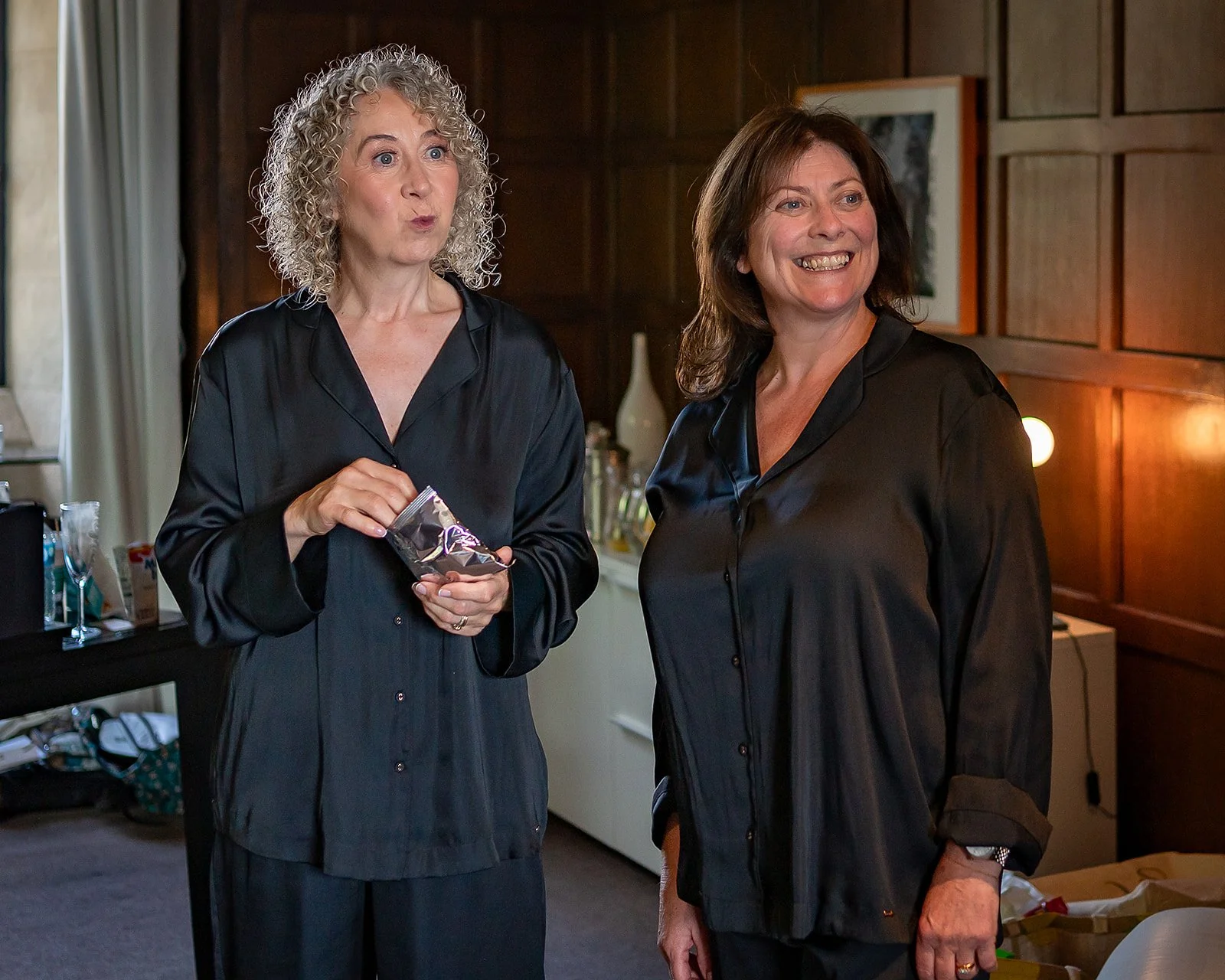
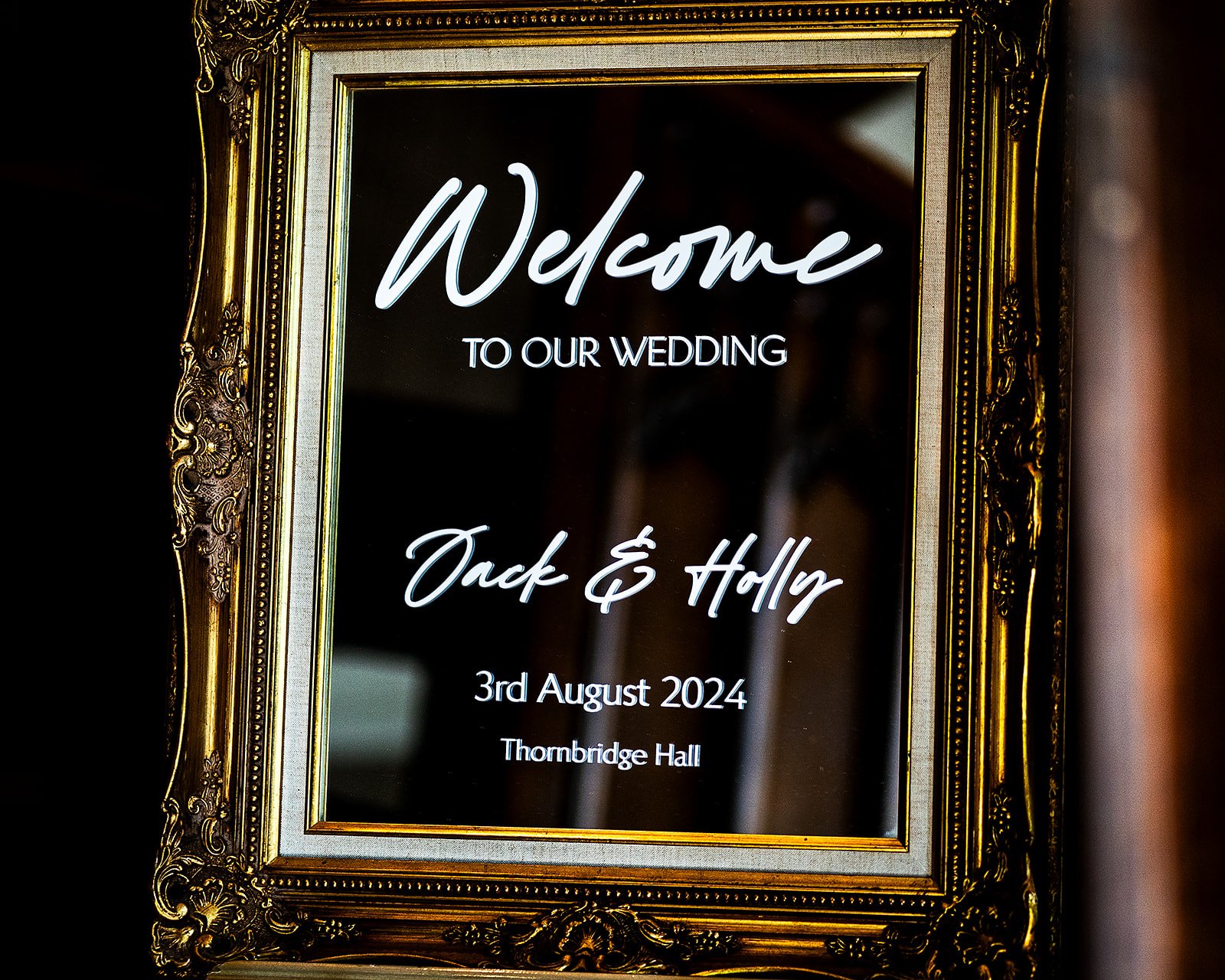
Holly and Jack at Thornbridge Hall Derbyshire.
Thornbridge has a long and layered history, beginning as the home of the Longsdon family, who lived on the estate from the 12th century right through to the late 1700s. The property changed hands in 1790 when John Morewood, a successful linen merchant, purchased it for £10,000 and expanded the original house.
A major transformation came in 1871 under Frederick Craven, who rebuilt the residence in a striking Jacobean style. However, much of what stands today is thanks to George Marples, a Sheffield lawyer who took ownership in 1896. Marples extended the house to almost its current size and designed the surrounding gardens. He also acquired large areas of neighbouring land, employed a sizeable household staff, and was affectionately referred to as “Lord Marples.” During his tenure, estate cottages, lodges, and even a private railway station—now Thornbridge Outdoors—were constructed.
The estate entered a new chapter in 1930 when Charles Boot, head of a prominent Sheffield construction firm, became the owner. After the fire at Clumber Park in 1938, Boot’s company was tasked with dismantling the remains of the grand house. He salvaged numerous architectural features—statues, fountains, and decorative facades—and incorporated them into Thornbridge Hall.
Following Boot’s death, Sheffield City Council purchased the estate in 1945 for £42,000, intending to convert it into a teacher training college. Renovations were carried out, and by 1948 the first cohort of 60 trainee teachers had arrived. Teaching continued until 1975, after which the Hall served as a multi‑purpose education centre for South Yorkshire.
Private ownership resumed in 1997 when the Hunt family acquired the property and began restoring the formal gardens and removing unsympathetic additions. In 2002, the Harrison family became the new custodians. Emma Harrison had first seen Thornbridge as a young girl on a cultural exchange trip and never forgot it. When she and her husband Jim bought the estate, they embarked on extensive restoration work to revive its character. Their efforts included refurbishing the main house, the music room, the Carriage House, Gardeners Cottage, both lodges, and rebuilding the Orangery, along with significant new construction to unify the estate.
Although still a private family residence, Thornbridge has evolved into one of the country’s most sought‑after venues for weddings and events, celebrated for its beauty, heritage, and meticulous restoration.